How meditation became part of my life
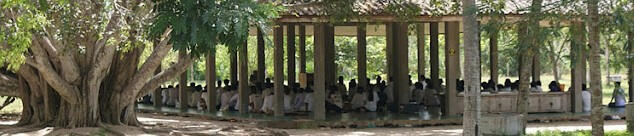
My first intentional experience with meditation was a 10-day Vipassana course in Thailand in the summer of 2015. At that point, I had only just started becoming curious about meditation while travelling through Southeast Asia, where many of these practices originally come from.Someone told me about silent retreats taking place at Suan Mokkh, a forest monastery in southern Thailand. I was likely to pass through the area about a month later anyway, so I quietly added it to my travel plan.To be honest, I did not really understand what meditation was at that point. I only knew that something about the idea pulled me in. So I made my way to an old Buddhist forest monastery on the right date, arrived with very little idea of what to actually expect, and the retreat began.Ten days of silence, discipline and observing what arises in the body and mind is not easy, especially without previous experience. There is no talking, no phone, no books, no music, and very little opportunity to escape when the mind becomes restless.Most of the day is spent sitting quietly and observing the breath and the body. The bed is hard, the food is simple, and after hours of sitting, every small discomfort suddenly becomes very loud. One could probably ask- why to go there if its so boring and much suffering?But this is also where something interesting begins to happen.During a long period of silence, we start noticing things that are normally hidden underneath the noise of everyday life. Without constant stimulation, entertainment and distraction, there is much less to hide behind. Thoughts become easier to observe. Patterns become more visible. Even our relationship with comfort and discomfort starts to become clearer.The retreat is deliberately simple. There is very minimum interaction with other people, and most of the day passes in silence, from early morning until evening, with short breaks for meals, walking, stretching and basic needs.
For me the whole thing was a life saver and from that point on, meditation naturally became part of my every day life. It did not suddenly make life easy, but it helped me slow down, observe myself more clearly and relate differently to inner and external discomforts that would otherwise control my mood, reactions and peace of mind.There are many forms of meditation and Vipassana is just one very deep way to go. Some techniques use visualisation, repetition, breath or movement. it can be short sitting or long etc. In Vipassana meditation, there is no visualisation and no special pose or movement. Its simply just observing the breath and the body over an extended period of time.There are very few rules, and the technique itself is so simple that it almost makes you question whether it can really work. Yet millions of people have practised and benefited from it for many many generations. It roots go back to in India where it has been practiced for more than 2,500 years.For some people, it is brutally boring and staying still can be physically demanding. In the overstimulated world we live in today, it really can sound worse than prison. But maybe that is exactly why it works?For me it has been true lifesaver and that is why I have kept returning to Vipassana over the years. So far, I have completed 4 times 10-day silent retreats: Thailand (2015), Russia (2016), Sri Lanka (2018) and most recently Latvia (2025).
If you want to know more about Vipassana meditation then click on the following link:
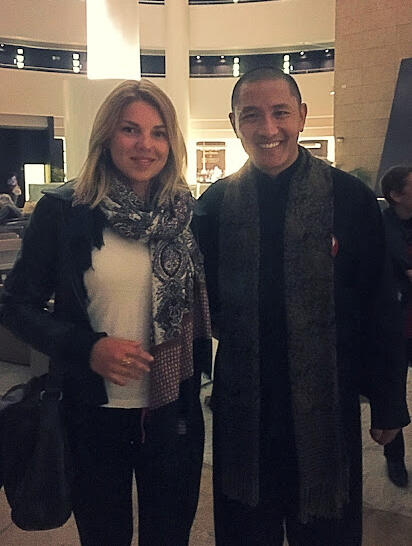
Me on the left, and Tulku Lobsang, Buddhist teacher and master, on the right

I do not necessarily teach Vipassana meditation itself, but I often include small elements of these techniques in my yoga classes and sometimes in private sessions for people who feel anxious, overwhelmed or overstimulated.Meditation and mindfulness are also often part of my presentations and workshops around mental health and self-care.If you feel any connection to this approach or would like to collaborate, please feel free to reach out.
Email: [email protected]
WhatsApp: +41 77 462 74 82